


Fiber: The Forgotten Medicine for a Modern Gut
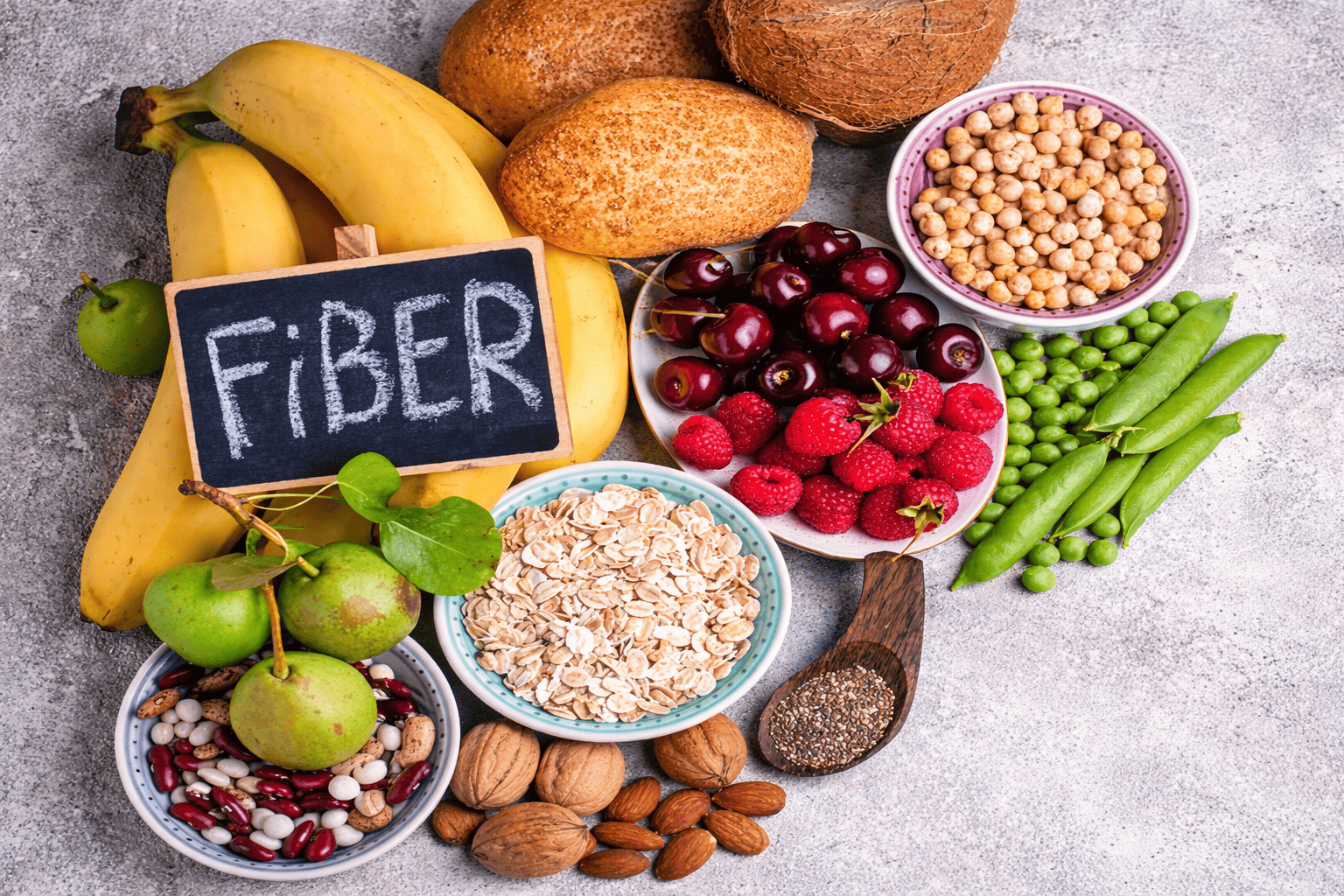
In today’s world, people chase probiotics, fancy supplements, and imported superfoods, but forget the most powerful medicine sitting quietly in their kitchen, that is fiber. It is not glamorous. It does not come in a shiny box with a celebrity endorsement. Yet, when you look at almost every gut problem – constipation, acidity, bloating, even IBS, the missing hero is often fiber.
I remember I had a patient who was suffering from constipation for years. She was a young woman, and she was trying all the modern remedies – taking laxatives, eating probiotics and the like. But it wasn’t working. Upon examining her diet, I found the solution was embarrassingly simple – she lacked fibre in her diet. She relied mostly on refined flour, white rice. She barely had any fruits or vegetables and would often have curries and meat instead. So the solution was fairly simple. Addition of fibre in her diet was all that was needed.
But in many cases that is not entirely the case. I know people taking fibre and doing everything right and still not feeling up to the mark. Not all fiber is created equal. Soluble fiber (like oats, beans, psyllium) forms a gel, slows digestion, lowers cholesterol and blood sugar. Insoluble fiber (like wheat bran, vegetable skins, bran) adds bulk and speeds bowel transit. Getting plenty of one type but lacking the other can blunt the overall benefit.
Fibers that are coarse, viscous, and water-absorbent (like psyllium or wheat bran) are more effective at relieving constipation than refined or fermented fibers For those with IBS, SIBO, or other gut sensitivities, even healthy fiber can cause bloating or discomfort. The pace of increase and the type of fiber used matter in these scenarios. That’s why sometimes trying out foods by yourself can lead to frustrating results.
Fermentable fibers (like resistant starch, inulin) feed good bacteria and produce short-chain fatty acids (SCFAs) that nourish the gut lining, support immunity, and modulate metabolism. Without enough fermentation, you miss this critical benefit.
Modern diets are designed to fail here. Packaged snacks, refined carbs, and quick meals are stripped of fiber. This is why lifestyle diseases are rising. A gut without fiber is like a city without garbage trucks, waste piles up, systems choke, and pollution spreads.
Here is a list of fibres that you can add to your diet daily:
- Fill half your plate with vegetables – raw or cooked, variety is more important than perfection.
- Choose whole fruits over juices – the skin and pulp carry most of the fiber.
- Add one serving of dal or beans daily – chana, rajma, moong, or whatever is local and easy.
- Switch refined grains to whole grains – brown rice, whole wheat roti, or millets where possible.
- Snack smart – nuts, seeds, roasted chana, or fruit instead of biscuits or chips.
- Increase slowly – add fiber gradually and drink more water, so your gut adjusts without gas or discomfort.
The best part is, fiber is not just about digestion. It stabilizes blood sugar, supports a healthy weight, nourishes good bacteria, and even lowers the risk of colon cancer. It makes you feel ful and satiated for longer, helping you control your eatings and cravings. It is not a side player, it is the foundation.
So before you spend on supplements, ask yourself, did I eat enough natural fiber today? Because sometimes the cure is not in the pharmacy, but in your kitchen bowl of dal and vegetables.